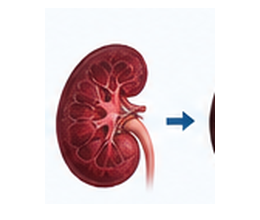
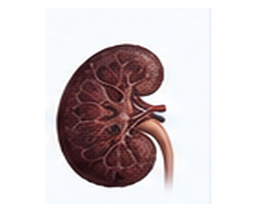
Chronic Kidney Disease (CKD) affects millions of people and can progress silently, especially in its early stages. Through awareness, medical evaluation, and proper follow-up, it is possible to identify risk factors and take better care of kidney health.
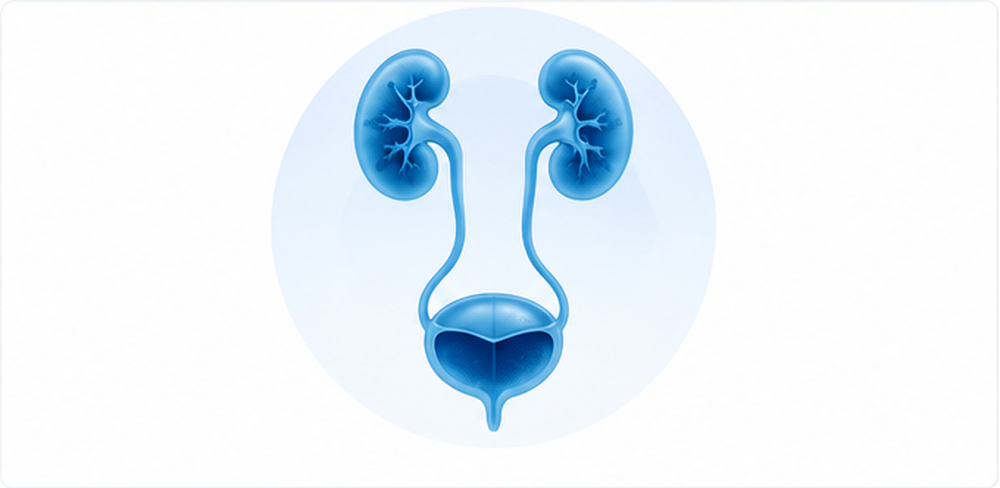
WHAT IS CKD?
A chronic condition that can impair kidney function.
Chronic Kidney Disease occurs when there are persistent abnormalities in kidney structure or function. Because its progression can be gradual and silent, many people experience no symptoms in the early stages.
May remain silent in the early stages
Can progressively impair renal function
Diagnosis and medical follow-up are essential.
CKD STAGES
Kidney function is classified into different stages.
Chronic Kidney Disease is classified into stages based on kidney function and other clinical criteria. This classification helps physicians monitor patients and determine the appropriate clinical approach for each individual.
Stage 1
GFR ≥ 90
Preserved kidney function, with evidence of kidney damage.
Stage 2
GFR 60–89
Mildly decreased kidney function.
Stage 3
GFR 30–59
Moderate reduction in kidney function.
Stage 4
GFR 15–29
Significant reduction in kidney function.
Stage 5
GFR < 15
Advanced impairment of kidney function.
GFR: Glomerular Filtration Rate. The values presented are for general reference only and must be interpreted by a physician.
RISK FACTORS
Who is at higher risk for CKD?
Certain conditions and characteristics are associated with an increased risk of developing Chronic Kidney Disease.
Diabetes
High blood pressure
Obesity
Family history of kidney disease
Advanced age
Frequent or prolonged use of medications without medical supervision
SIGNS AND SYMPTOMS
CKD can remain silent for a long time.
In its early stages, Chronic Kidney Disease may not present noticeable symptoms. When they do occur, some signs may include:
Persistent fatigue
Swelling in the legs, ankles, feet, or around the eyes
Changes in urine, such as foam, color change, or volume
High or difficult-to-control blood pressure
Nausea, decreased appetite, or malaise
Difficulty concentrating
These signs are not exclusive to CKD and may be related to other conditions. Medical evaluation is essential for proper investigation and diagnosis.
Diagnosis and Monitoring
Evaluating kidney function is essential.
The diagnosis of Chronic Kidney Disease is based on clinical evaluation and tests that help identify changes in kidney function and structure.